Scantec GPR Services supports downtown Calgary’s urban revitalization
Concrete Scanning
CLIENT
TIME
SERVICE
Concrete Scanning
The Challenge
As part of downtown Calgary’s urban revitalization efforts, an existing office building was selected for conversion into modern residential units. Due to the age of the structure, original construction drawings and structural records were incomplete or unavailable, creating uncertainty during the design and construction phases.
The project required thousands of new core holes for plumbing, electrical, and mechanical systems. Key risks included:
Most of the buildings had post-tension cables
Embedded conduits, rebar, and structural elements
Limited tolerance for structural damage during coring
Lack of reliable documentation to support engineering decisions
Uncontrolled drilling posed a high risk of costly delays, structural damage, and safety incidents.
The Solution
Scantec GPR Services was engaged to provide non-destructive concrete investigation prior to construction activities. Our scope included:
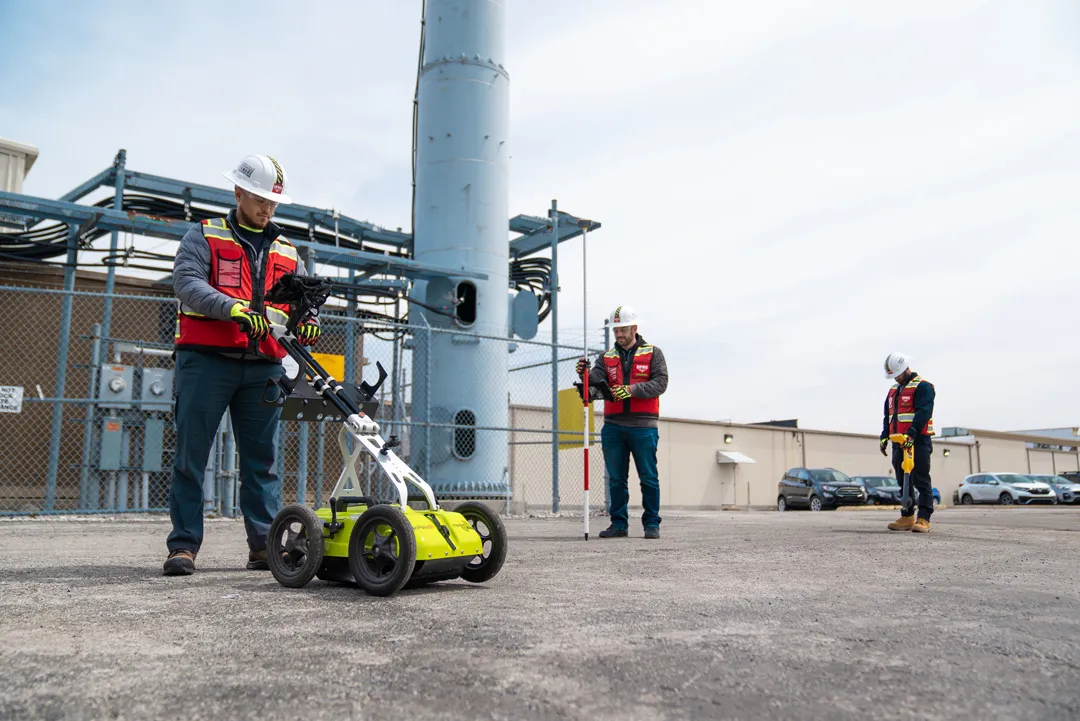
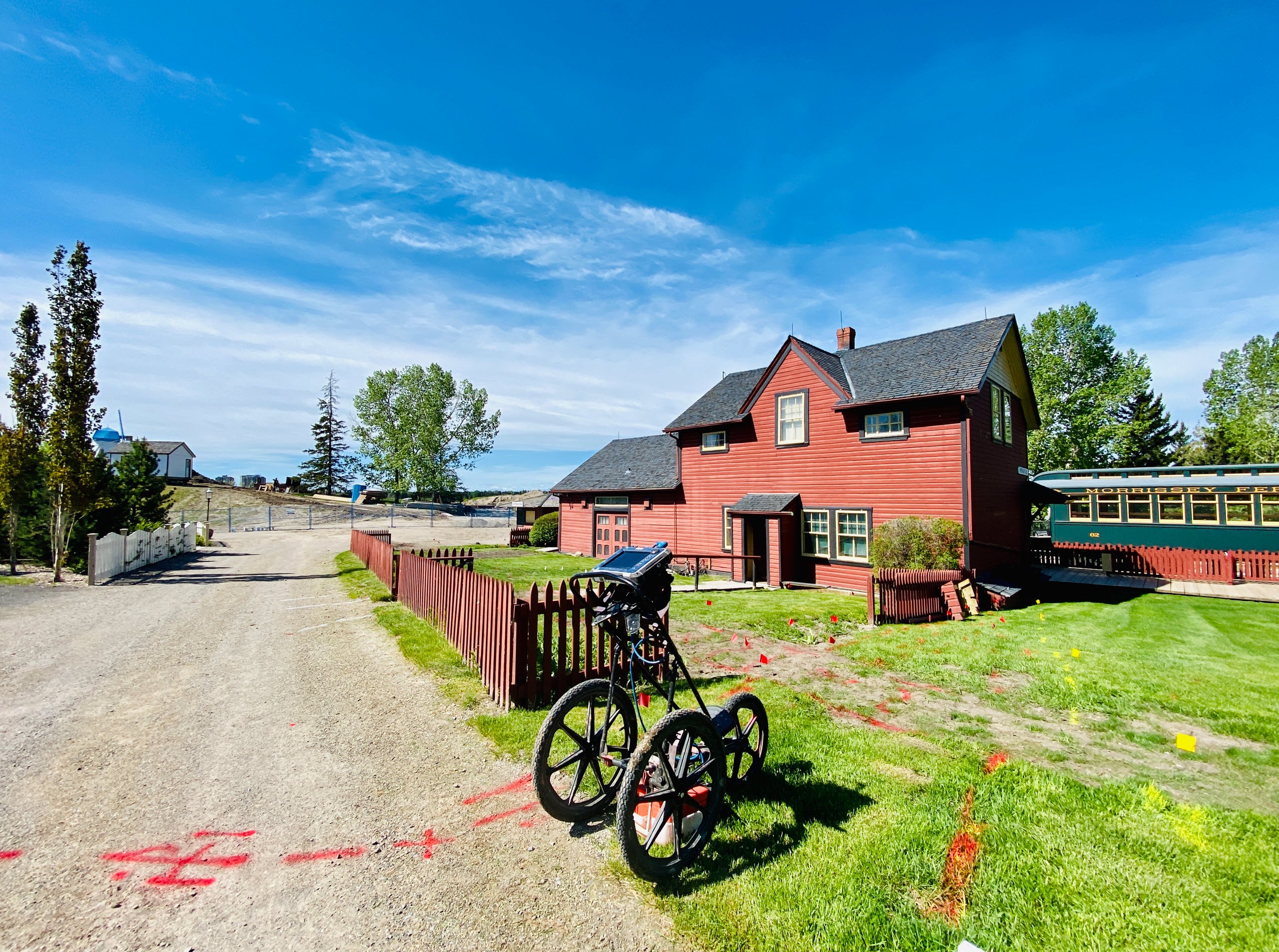
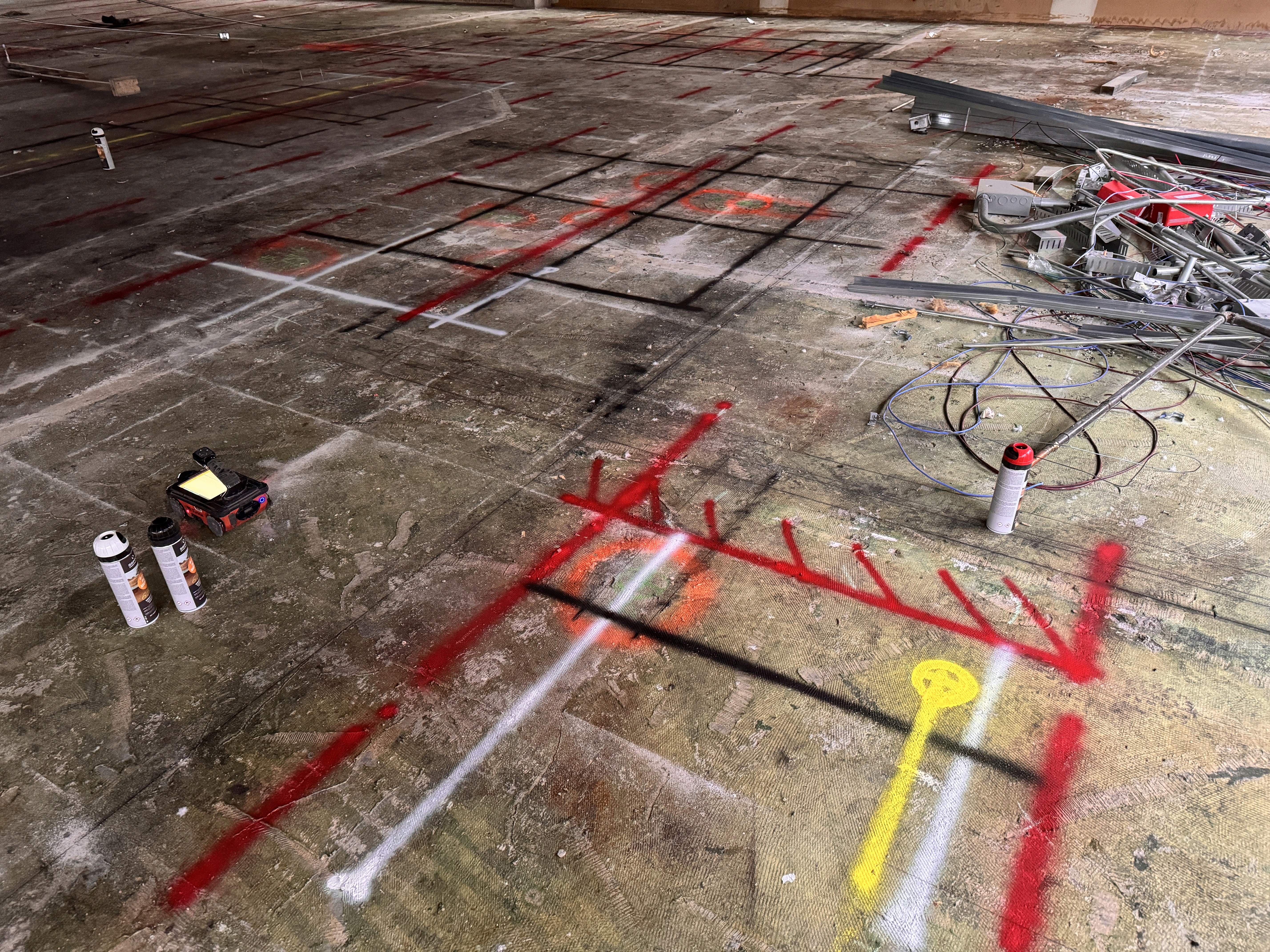
Ground-penetrating radar (GPR) scanning to locate post-tension cables, rebar, conduits, and other embedded targets
Ultrasound scanning to supplement depth and slab condition assessments
True digital X-ray imaging of concrete slabs to provide direct visualization of embedded elements where higher certainty was required
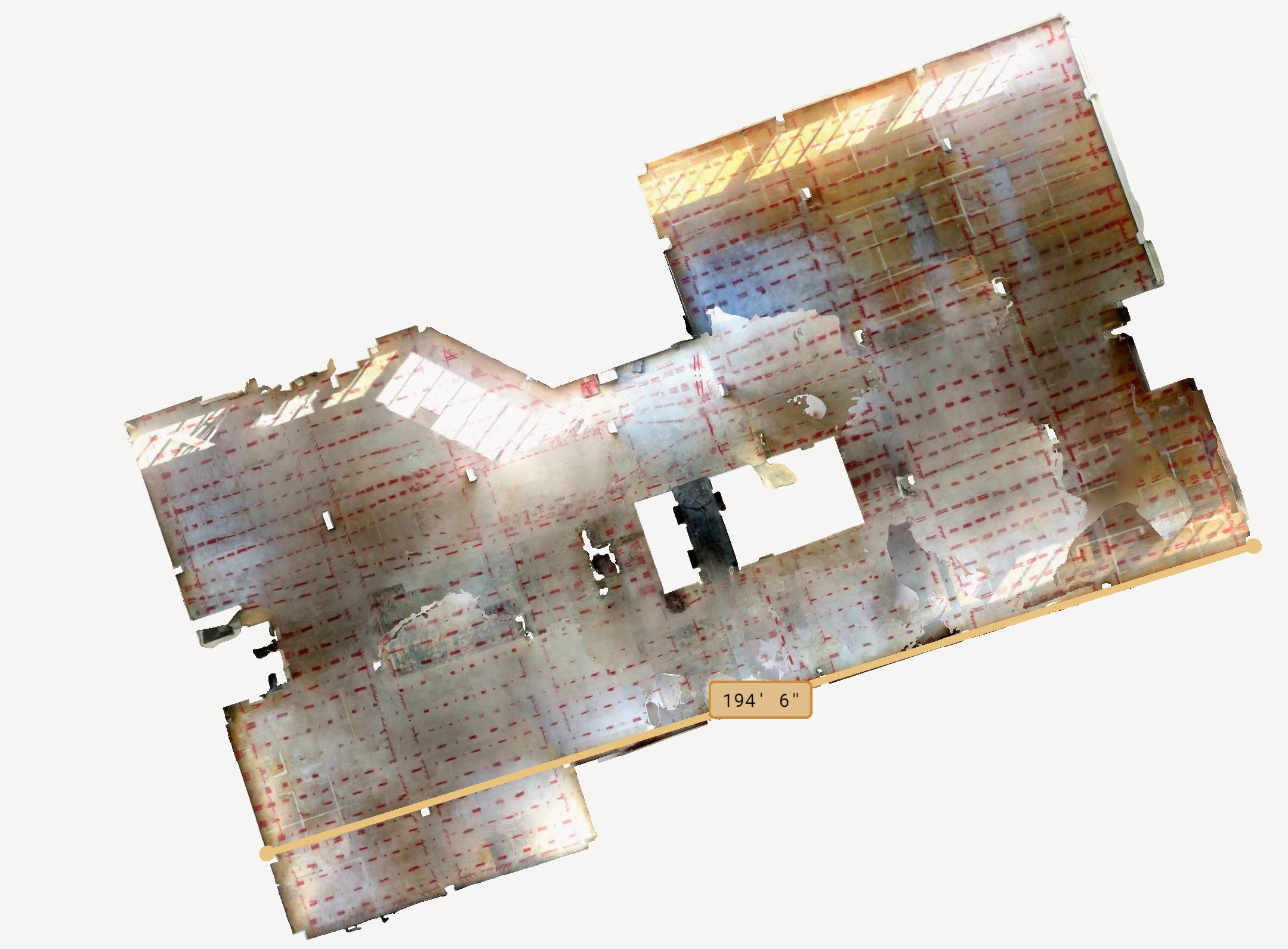
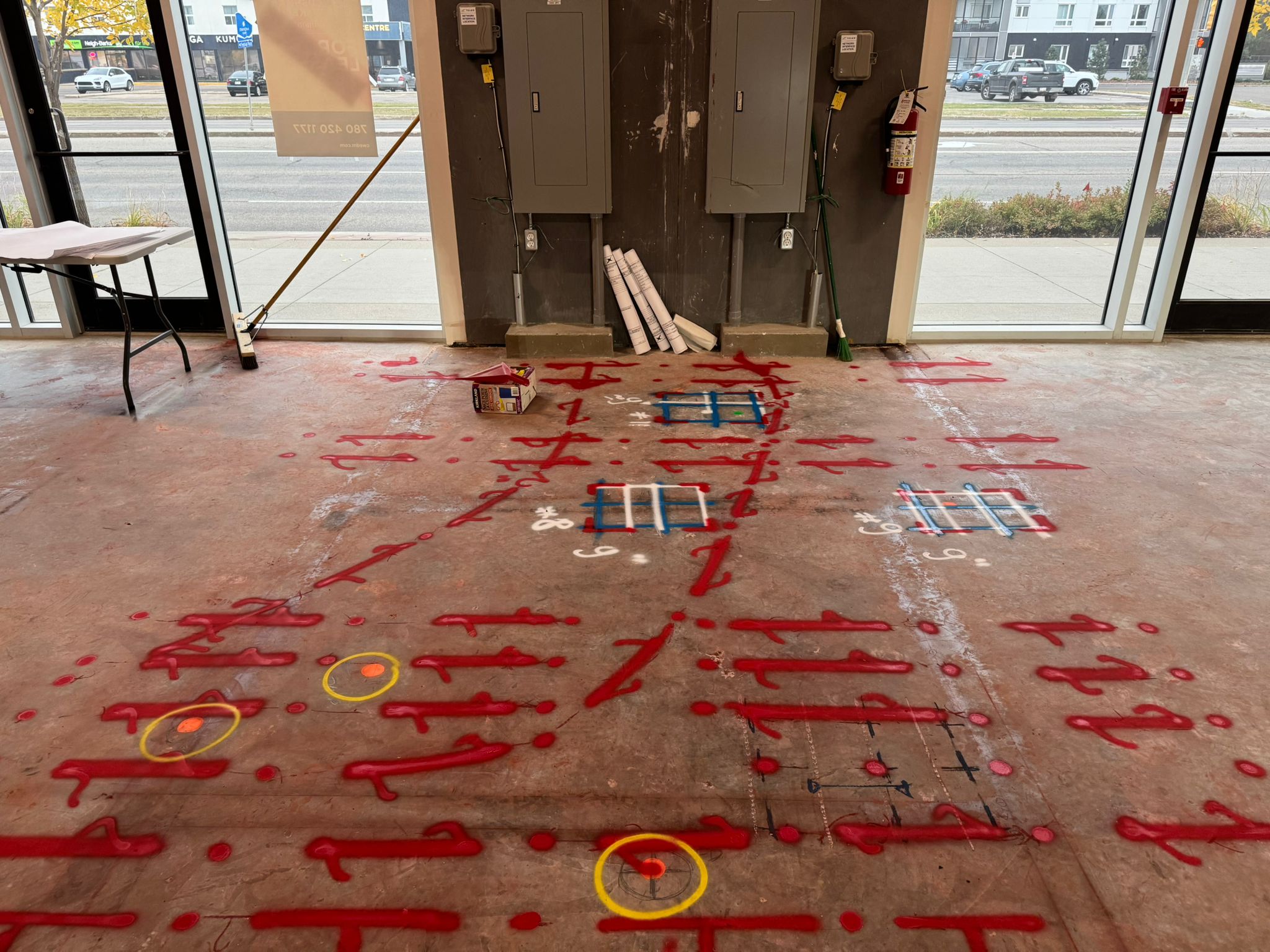
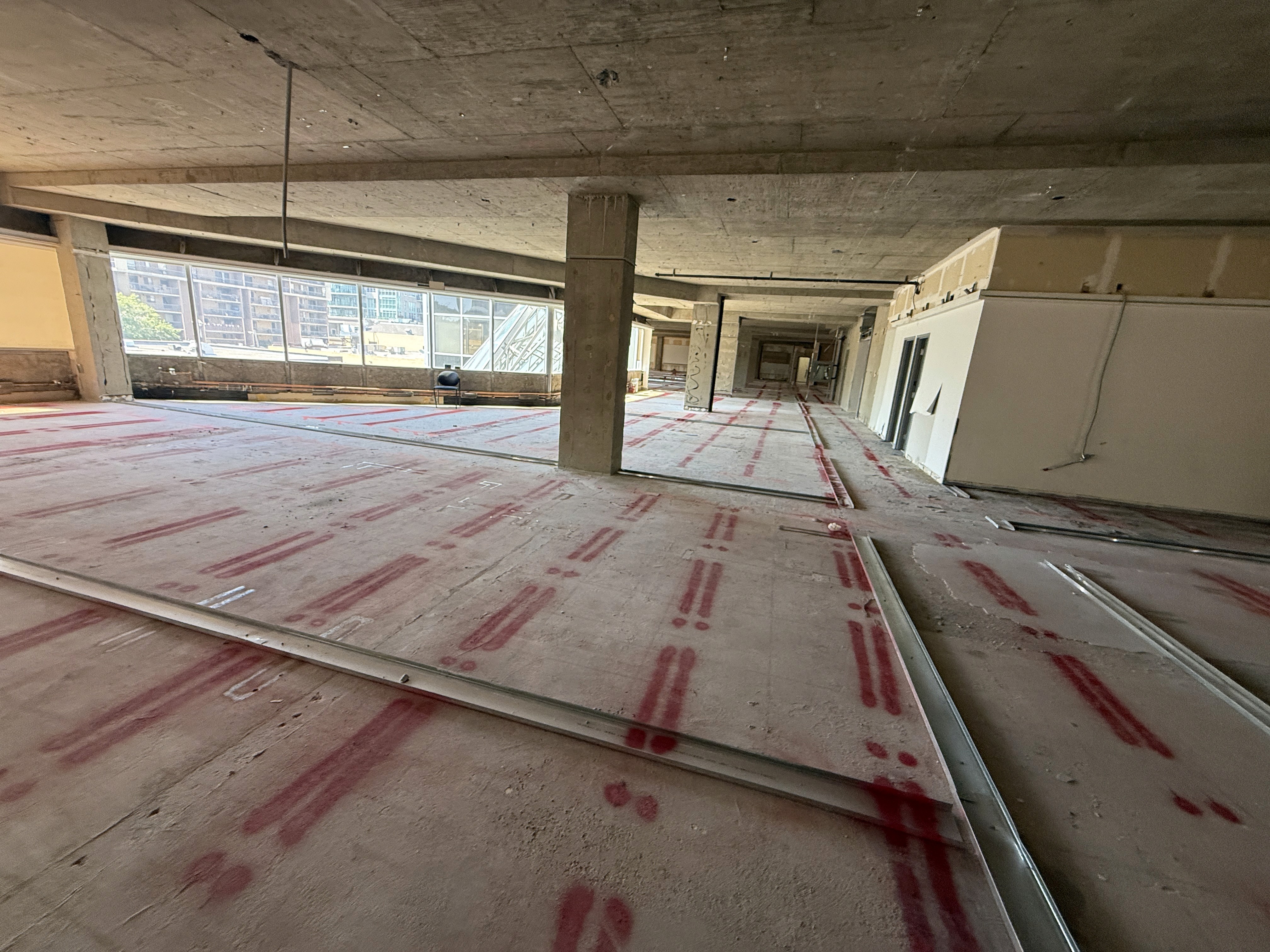
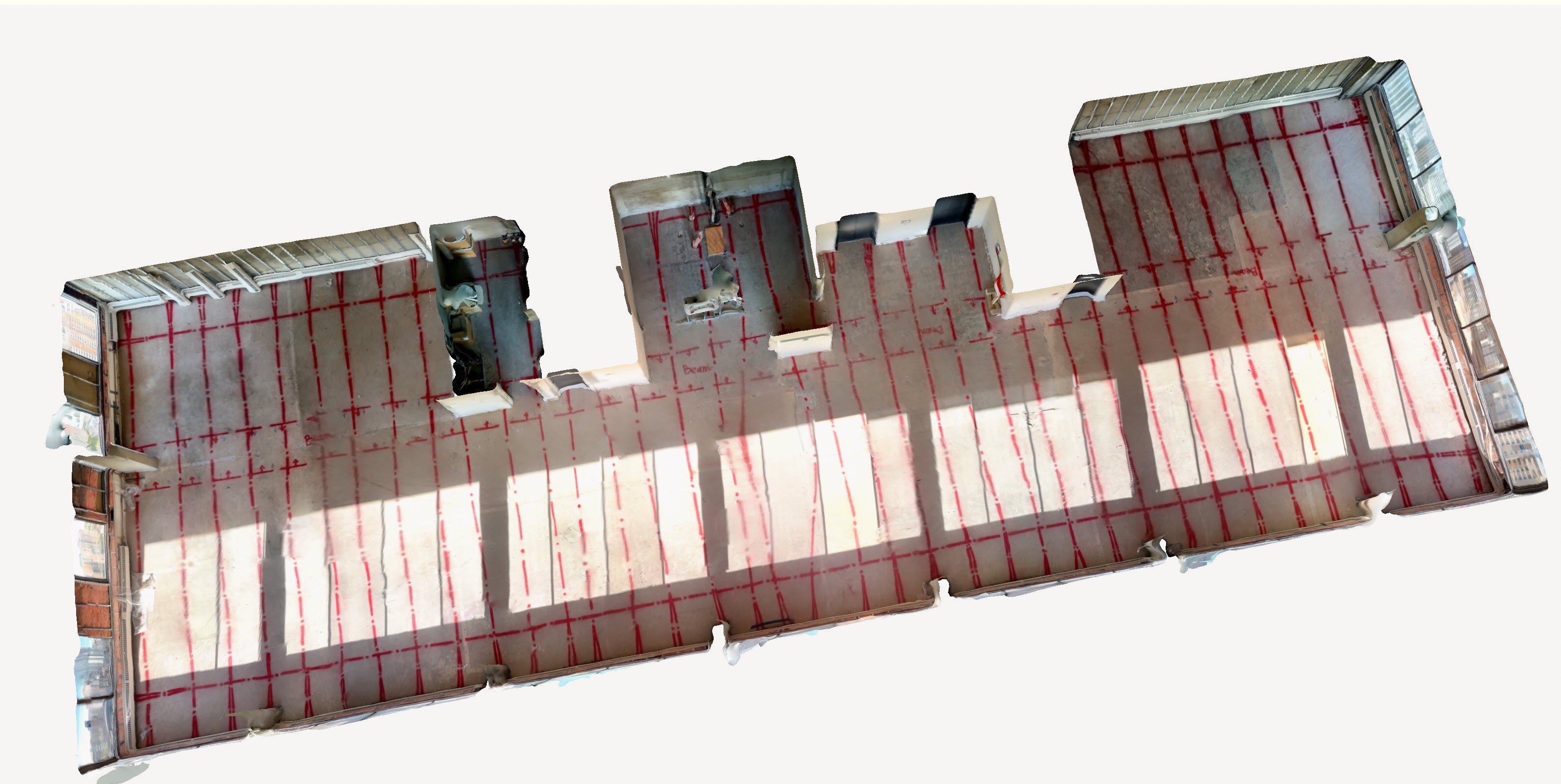
Real-time floor markings to guide coring crews accurately on site
Comprehensive floor mapping to support engineering review and architectural coordination
The Outcome
Scantec’s multi-technology approach allowed the project team to:
Safely complete thousands of core holes without damaging post-tension cables or critical structural elements
Reduce construction risk and avoid costly repairs or delays
Provide engineers with reliable data to reassess existing structural systems
Improve coordination between engineering, architecture, and construction teams during design and execution
By combining GPR, ultrasound, and digital X-ray technologies, Scantec delivered a high-confidence understanding of the building’s internal structure—enabling informed decision-making at every stage of the conversion process and supporting the successful transformation of the building into residential use.